 Events sell. I won’t deny that. In my article, Comics are My Literature, I mentioned that what pulled me back in to reading comics was the Death of Superman. Back then, in the early 1990s, shocking, event-driven comic book stories occurred, but infrequently. Due to the huge financial success of that one issue – along with huge media coverage – both Marvel and DC pushed many of their titles into shocking, event-driven storylines that pushed the limits of a comic book fan’s patience to hear “Everything you know is a lie!” or “Nothing will ever be the same again!” especially when said event-driven storylines were undone a year later.
Not only were these events undone, but some were ignored or written in a way to explain them away. Spider-Man’s infamous Clone Saga, which lasted 3 years longer than originally intended, changed not only writers and artists, but editors and even executives throughout its ridiculously long tenure. In other comics, characters – both heroic and villainous – were resurrected or killed off sometimes without fanfare or explanation.
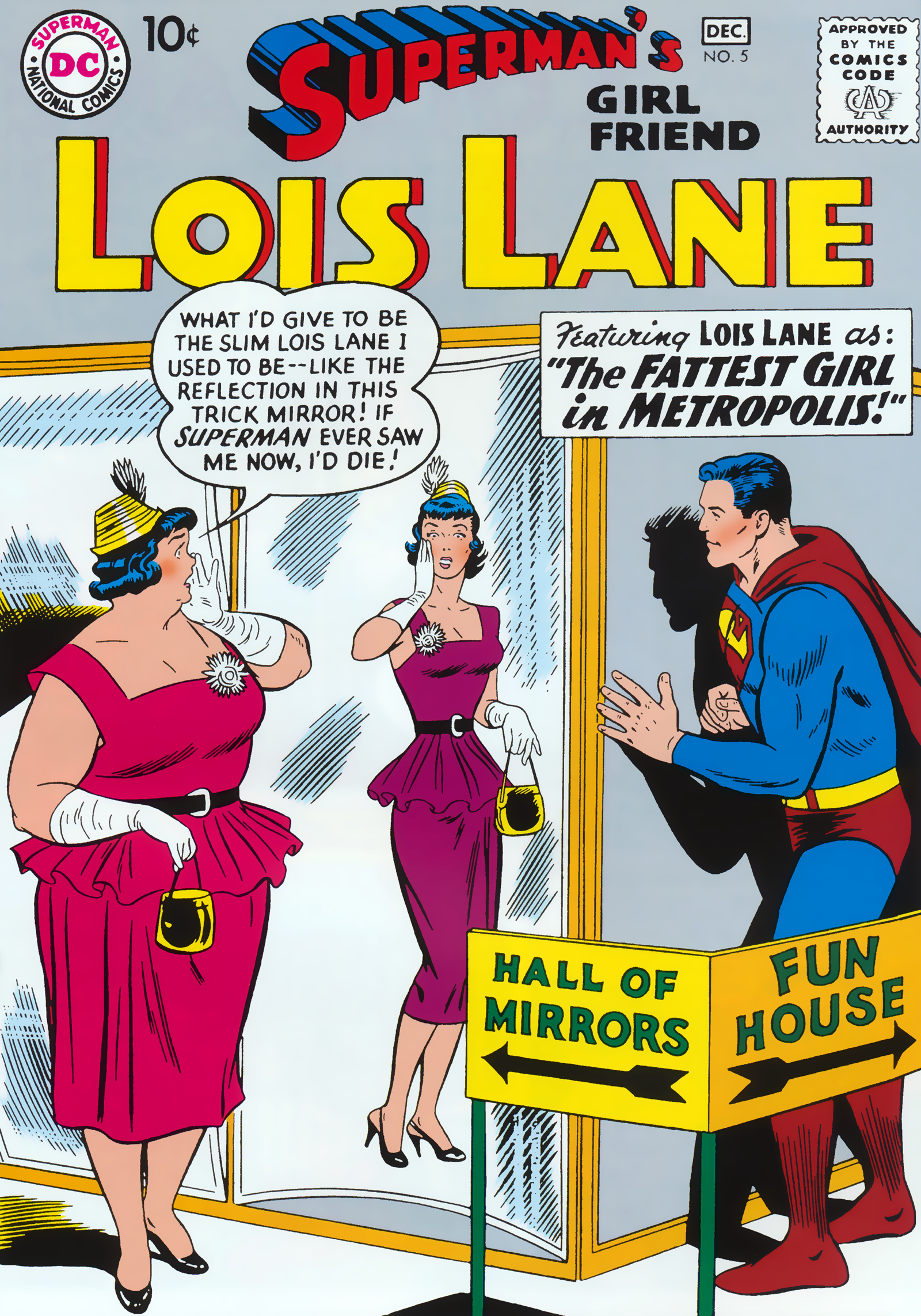
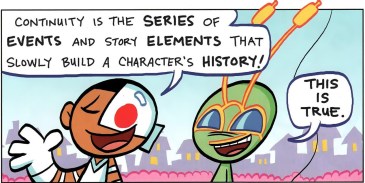 To be honest, comic book continuity has never really been something with a solid grounding. Too many cooks in the kitchen have made it into this incomprehensible mess that confuses even the most stalwart of regular readers. Heaven forbid a new reader wants to try a Superman book these days. They’ll be asking, “But wait, didn’t he die? And I thought he and Lois married? Why is he wearing armour? What happened to the red underwear?” Every one of those questions come with a long, complicated answer from previous events.
However, as far as the major, household name heroes go, even the most casual of fans know the basics of Superman: planet went boom, rocket, Kansas, Metropolis, look it’s a bird a plane, yadda yadda. The core elements never change.
Which finally brings me to my point: continuity hardly matters and mainstream comics should stop trying to make it seem like it matters. Let me explain.
Continue reading →
 I was in the mood for a dumb action flick and that’s exactly what I got. Definitely dumb and action-y but it fits perfectly into my favourite category: P.F.A. Pretty F&#%ing Awesome. You had some funny moments, some really well directed action, some surprisingly good car chases, and of course, Arnie. Any movie that Arnold Schwarzenegger is immediately, at the very least, watchable.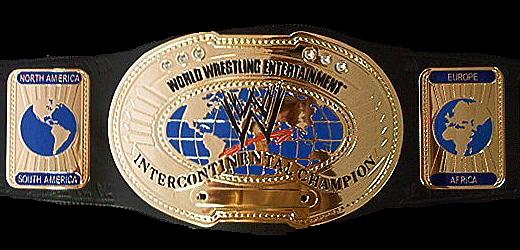
 It’s likely a bad idea to read YouTube or wrestling news comments, but like a train wreck, it’s impossible to look away. The most common gripe against WWE is they need to stop being a PG-rated product. “They need to go back to the Attitude Era!” they’d say. “WWE sucks now!” I’d read.
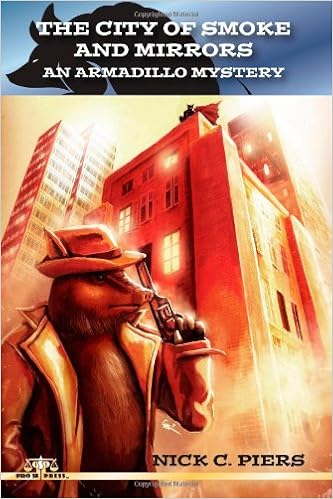
 Some years ago, one of my professors at York University read the first two chapters of The City of Smoke & Mirrors. When someone asked him what he did on the weekend, he said, “Well, I read something very interesting. It had a little bit of Raymond Chandler, a little bit of Dashiel Hammet, a little bit of Edgar Allen Poe…and the Teenage Mutant Ninja Turtles.”

 Nick Piers